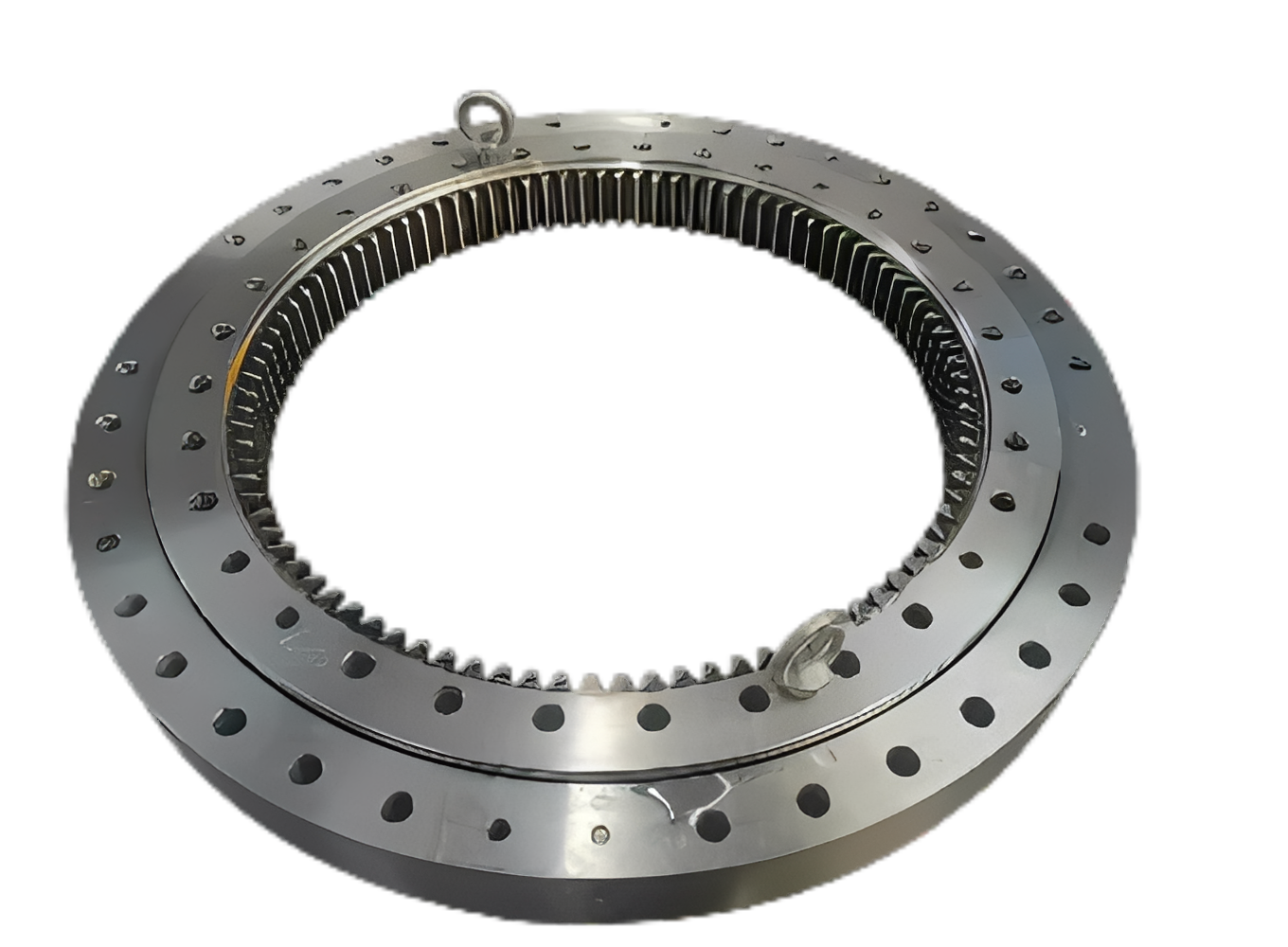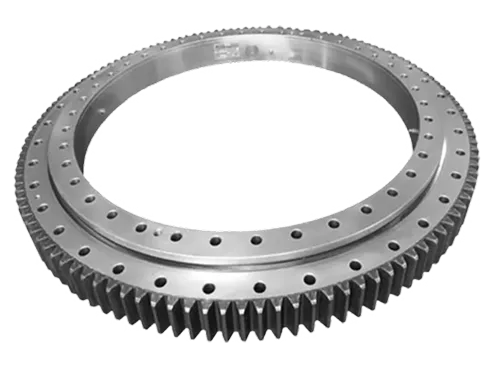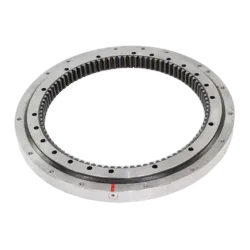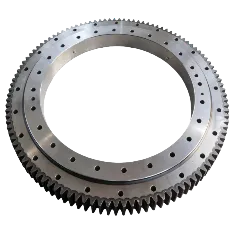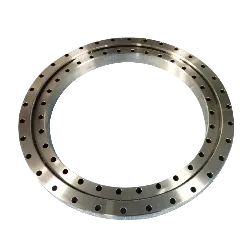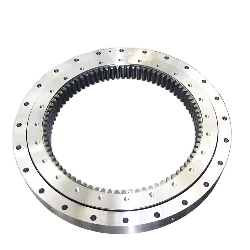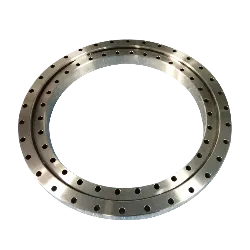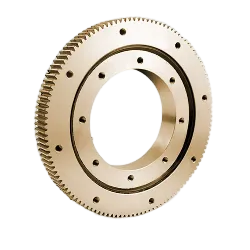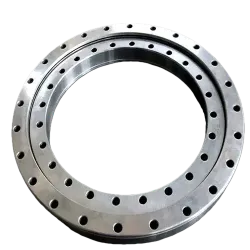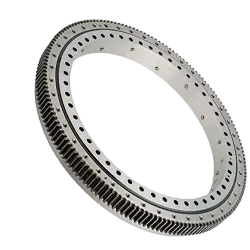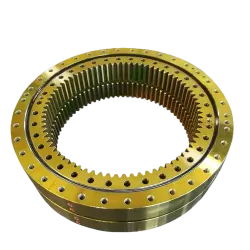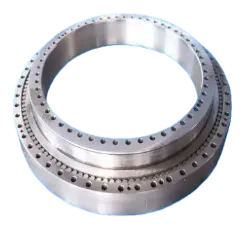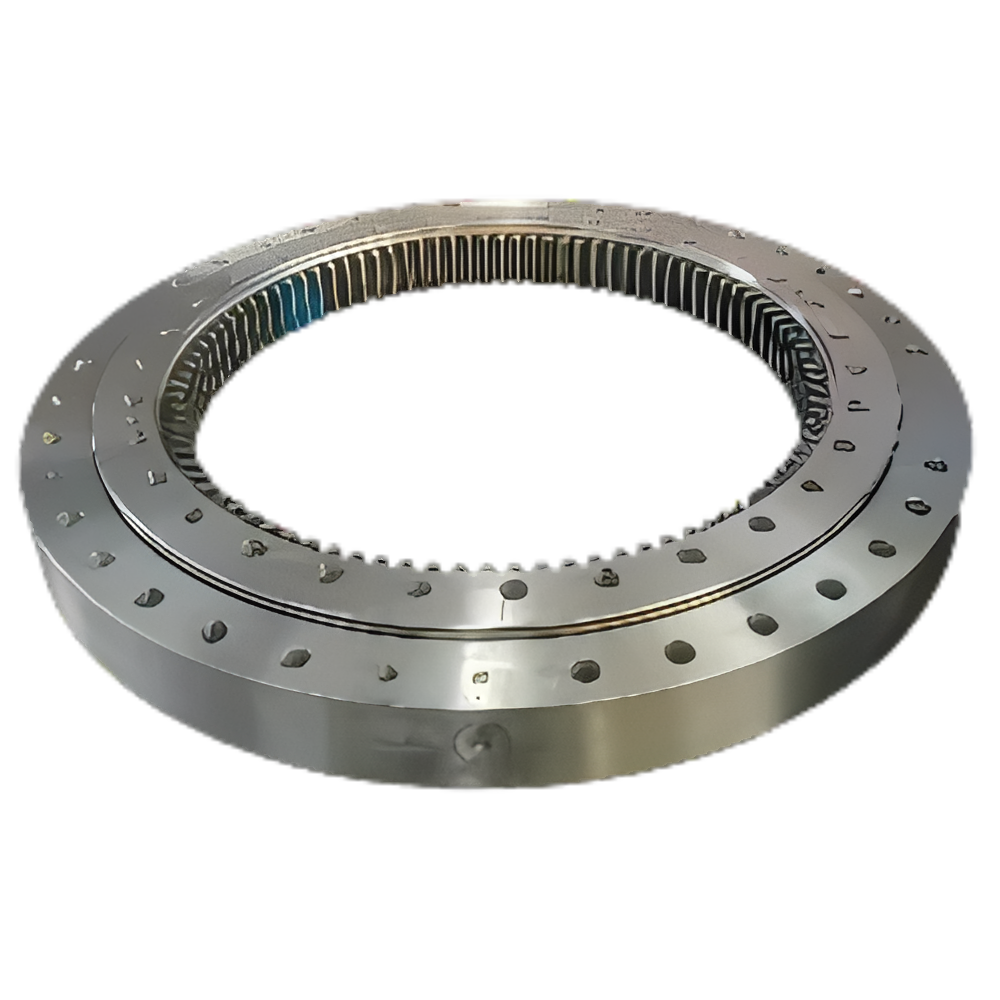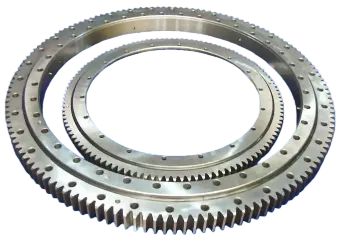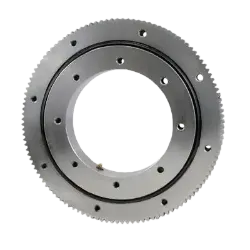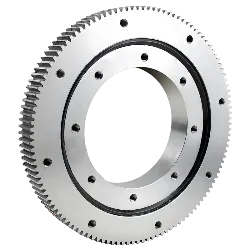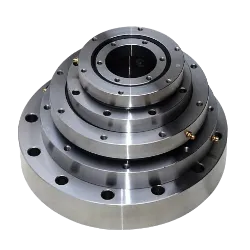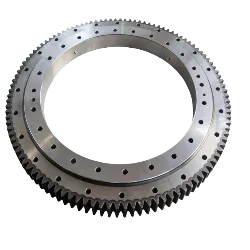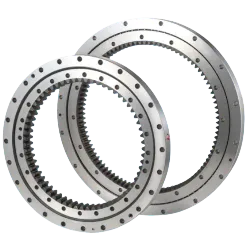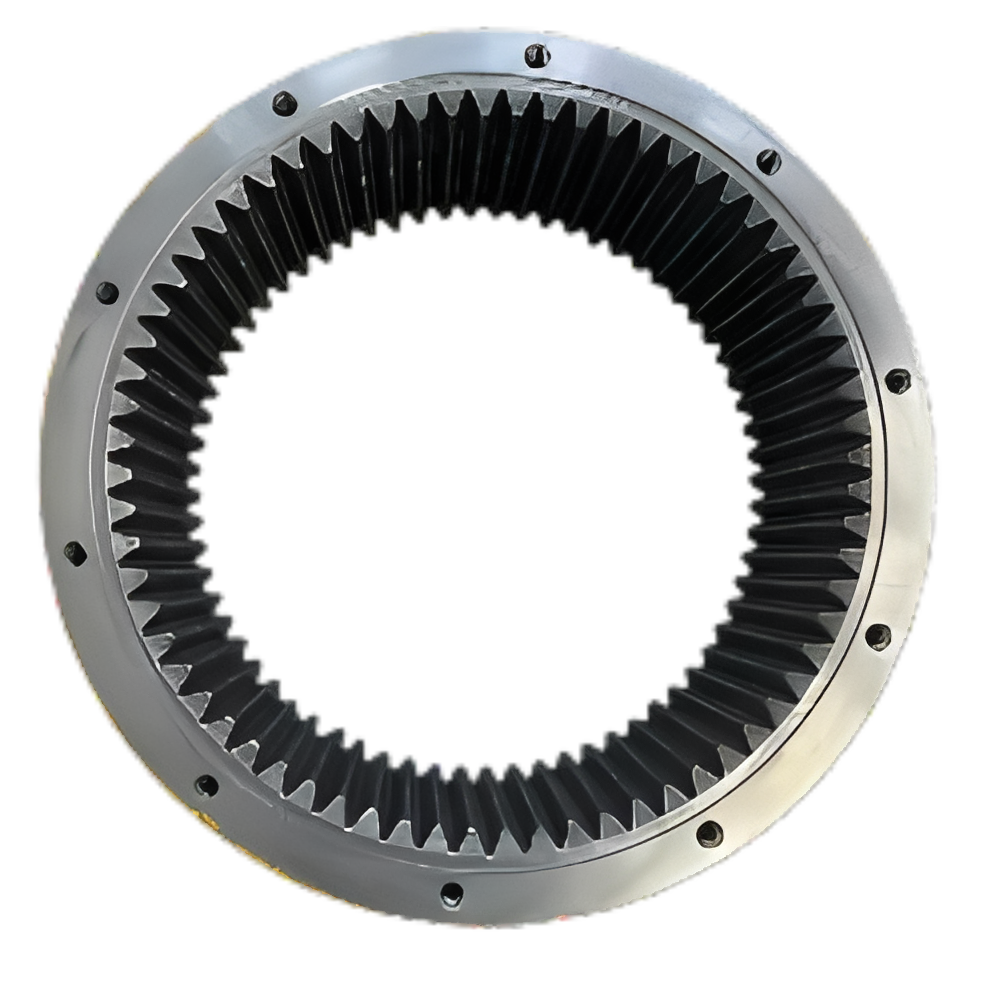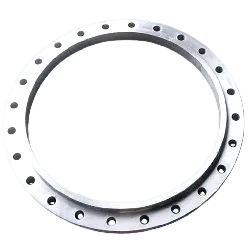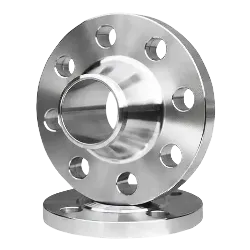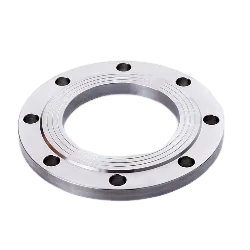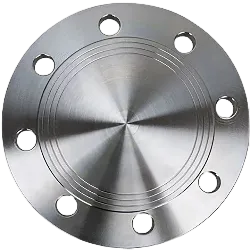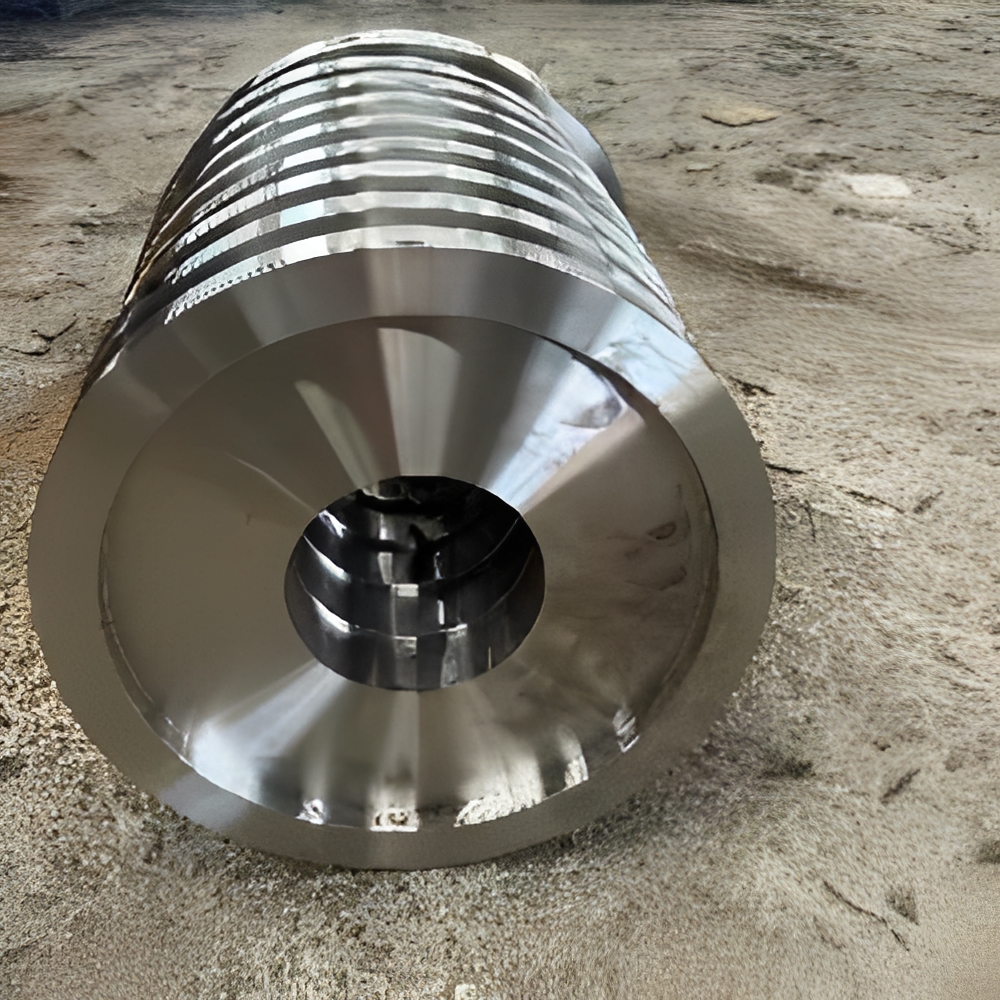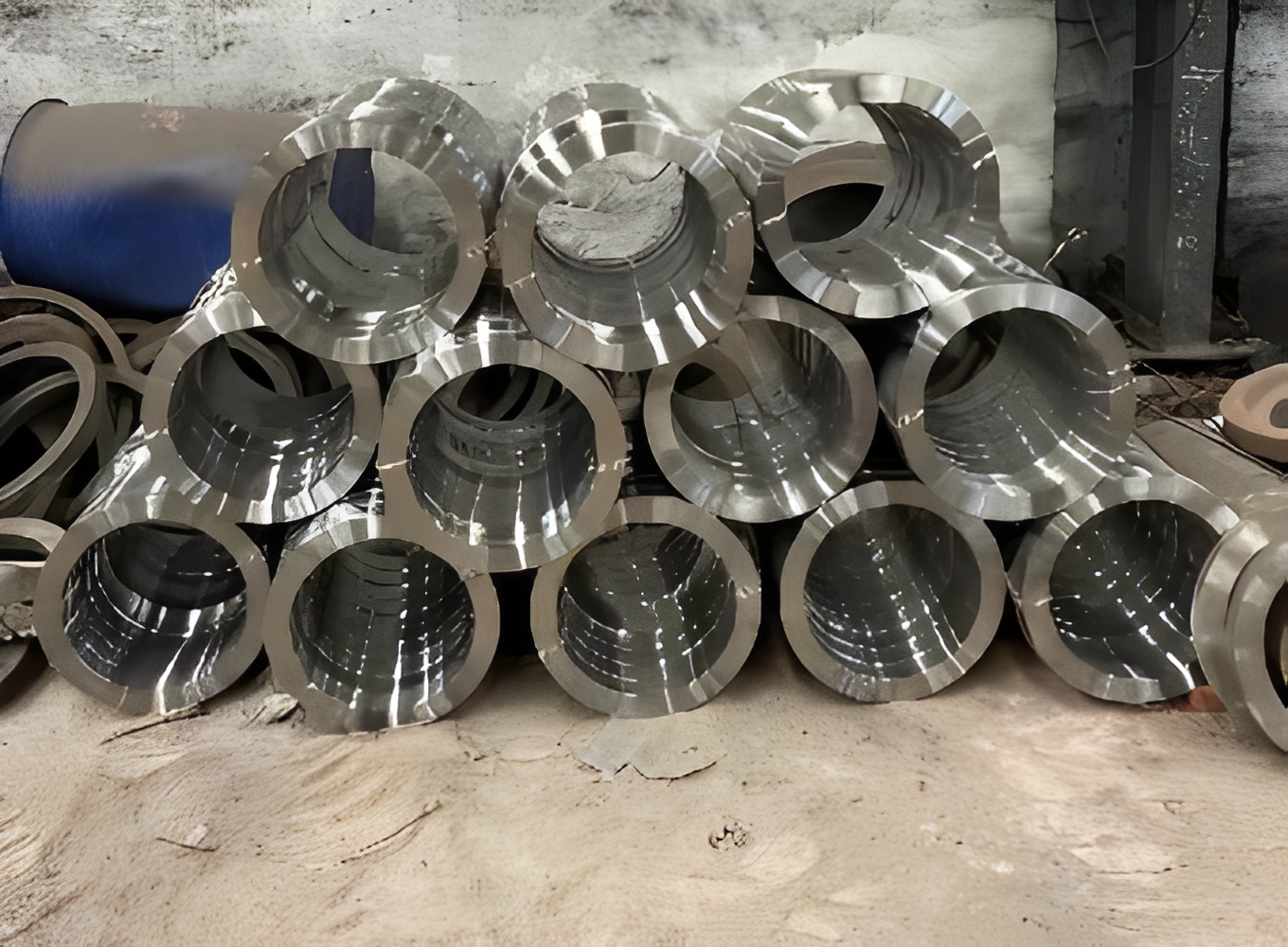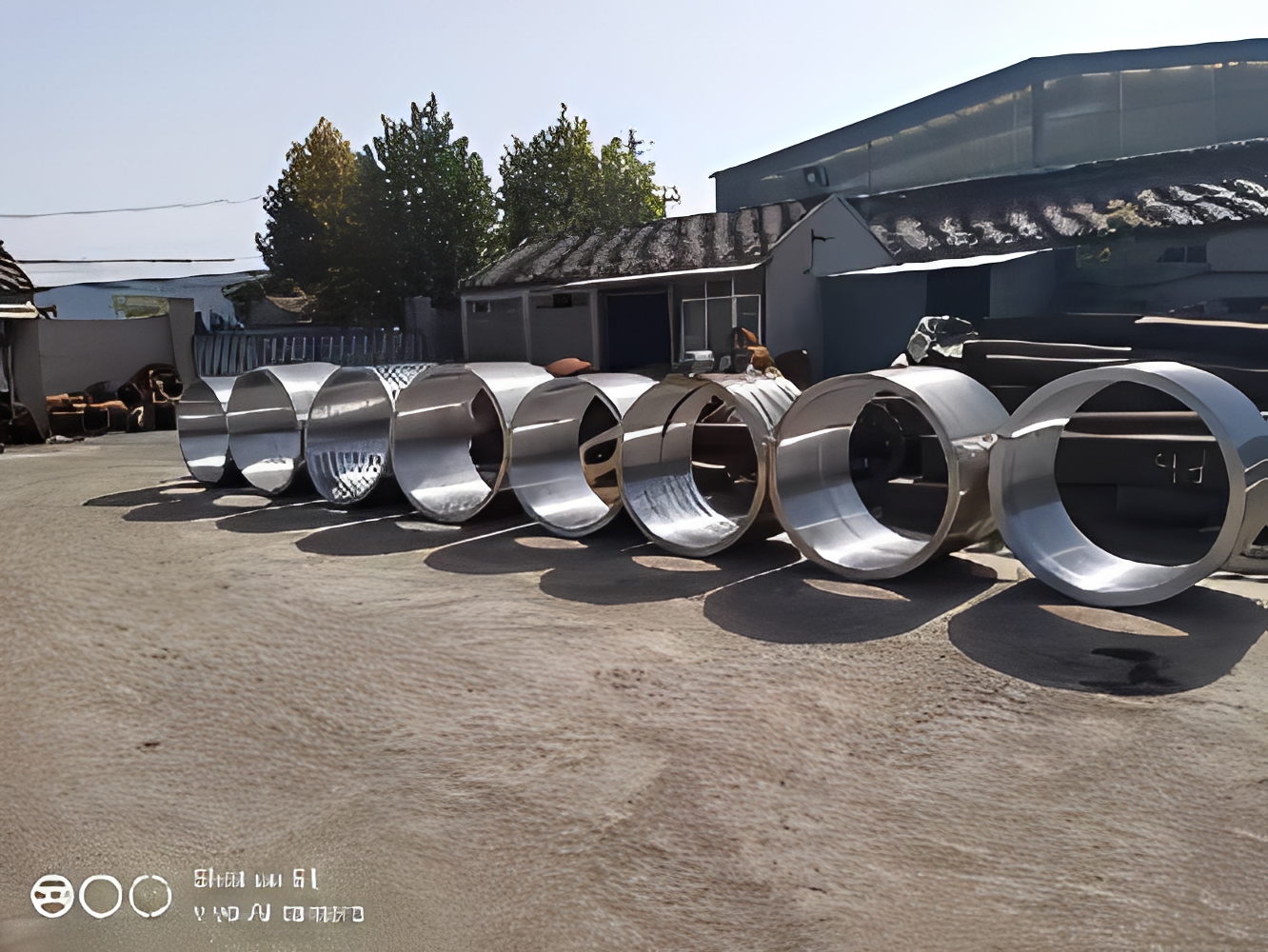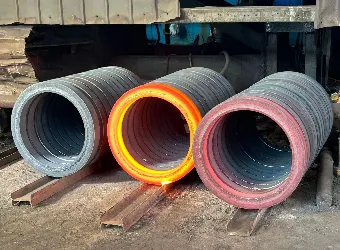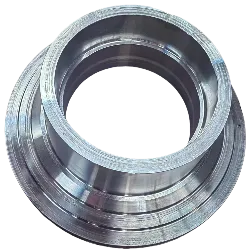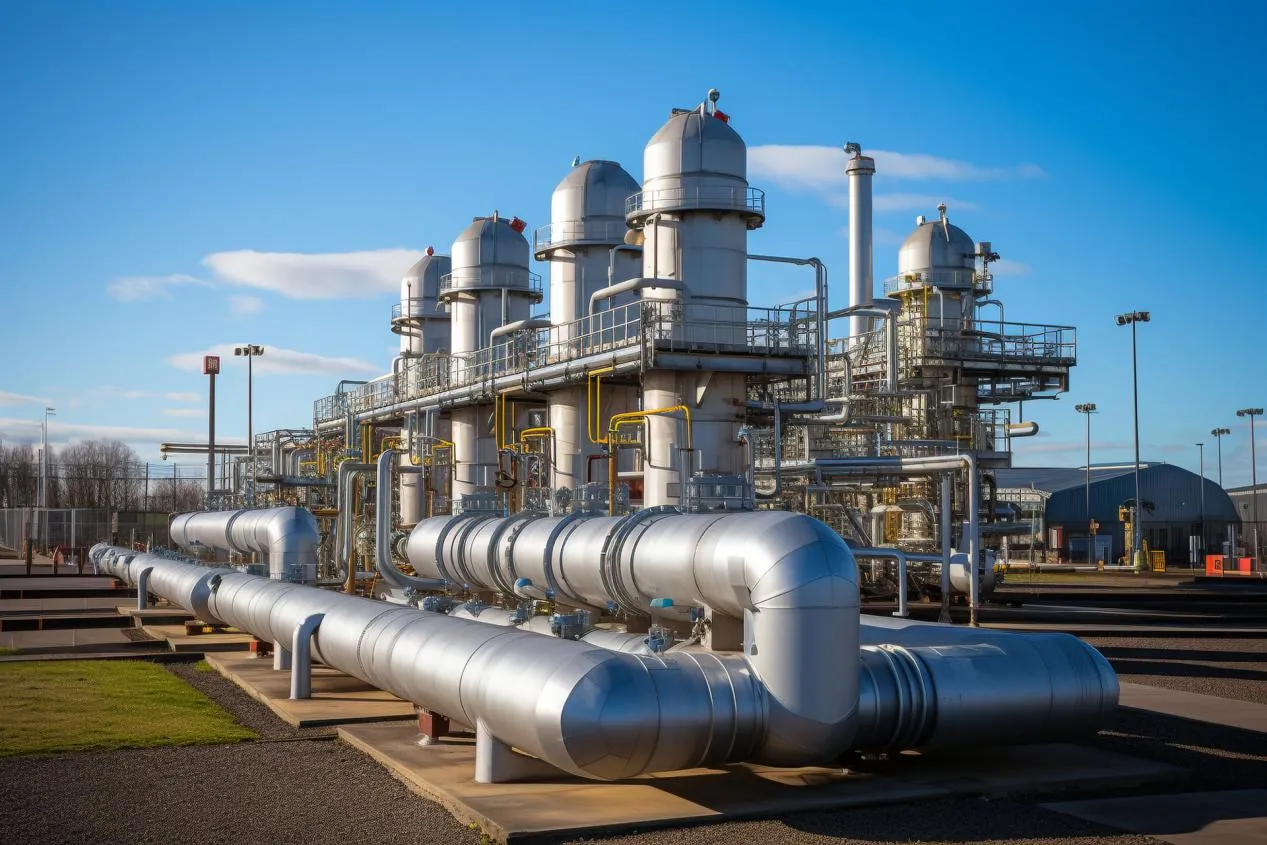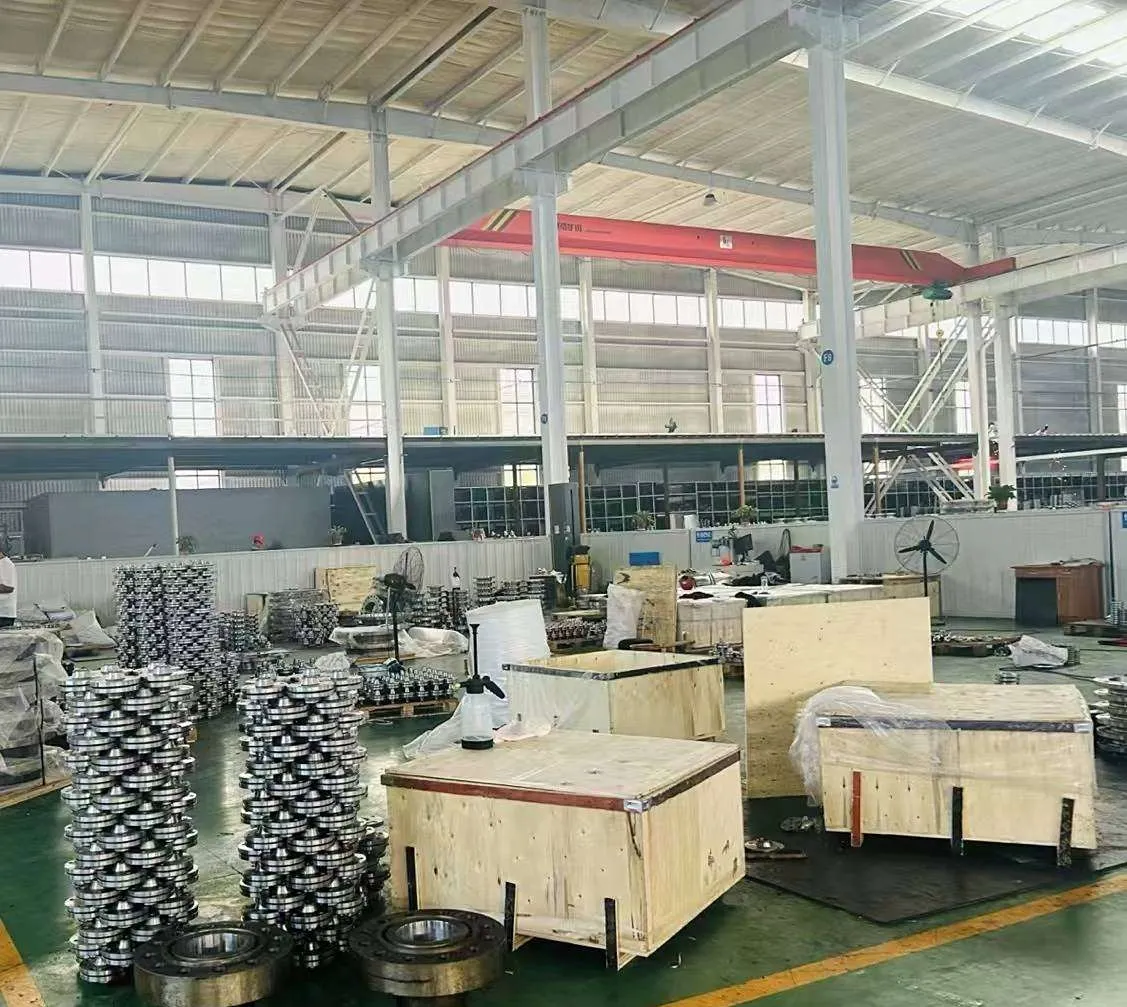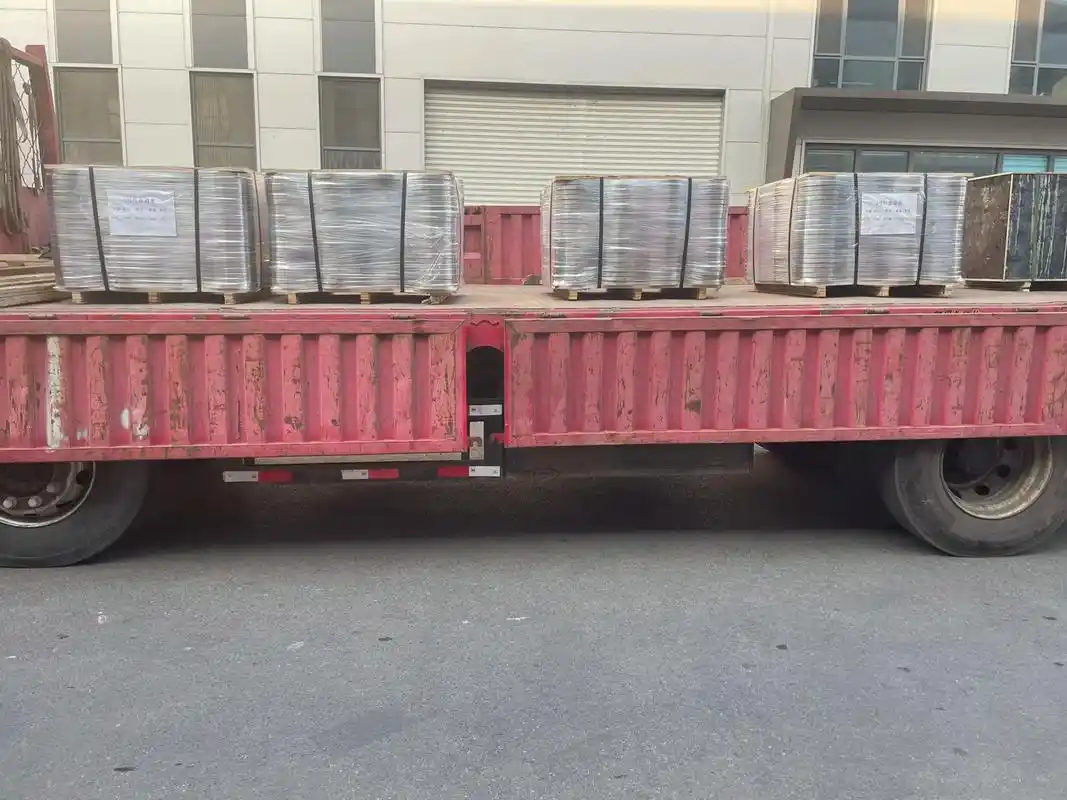
The production process is mainly divided into forging,casting,cut, rolling these four kinds.
(1) Cast flange and forged flange
The cast flange has accurate rough shape and size, small processing volume, and low cost, but it has casting defects (pores, cracks, inclusions); the internal structure of the casting has poor streamlines (if it is a cutting part, the streamlines are even worse);
Forged flangeGenerally, it has lower carbon content than cast flanges and is less likely to rust. Forgings have better streamlines, denser structures, and better mechanical properties than cast flanges;
Improper forging process will also cause large or uneven grains, hardening cracks, and the forging cost is higher than that of cast flanges.
ForgingsCan withstand higher shear and tensile forces than castings.
The advantage of castings is that they can produce more complex shapes and the cost is relatively low;
The advantage of forgings is that the internal structure is uniform and there are no harmful defects such as pores and inclusions in castings;
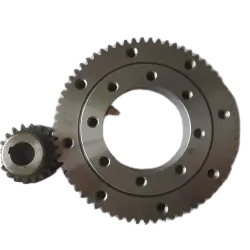
The difference between cast flanges and forged flanges is distinguished from the production process. For example, centrifugal flanges are a type of cast flanges.
Centrifugal flange is a precision casting method that produces flanges. This type of casting is more common.sand castingThe tissue is much finer, the quality is much improved, and problems such as loose tissue, pores, and trachoma are less likely to occur.
First of all, we need to understand how the centrifugal flange is produced and how it is produced by centrifugal casting.flat welding flangeThe process method and product are characterized in that the product is processed through the following process steps:
① Put the selected raw material steel intoMedium frequency electric furnaceSmelting to bring the temperature of molten steel to 1600-1700℃;
② Preheat the metal mold to 800-900℃ to maintain a constant temperature;
③ Start the centrifuge and inject the molten steel in step ① into the metal mold preheated in step ②;
④ The casting is naturally cooled to 800-900°C for 1-10 minutes;
⑤ Cool with water to close to normal temperature, demould and take out the casting.
Let’s learn more about forged flangesProduction process:
The forging process generally consists of the following steps, namely, selecting high-quality steel billets for blanking, heating, forming, and cooling after forging. The forging process methods include free forging, die forging and membrane forging. During production, different forging methods are selected according to the quality of the forgings and the size of the production batch.
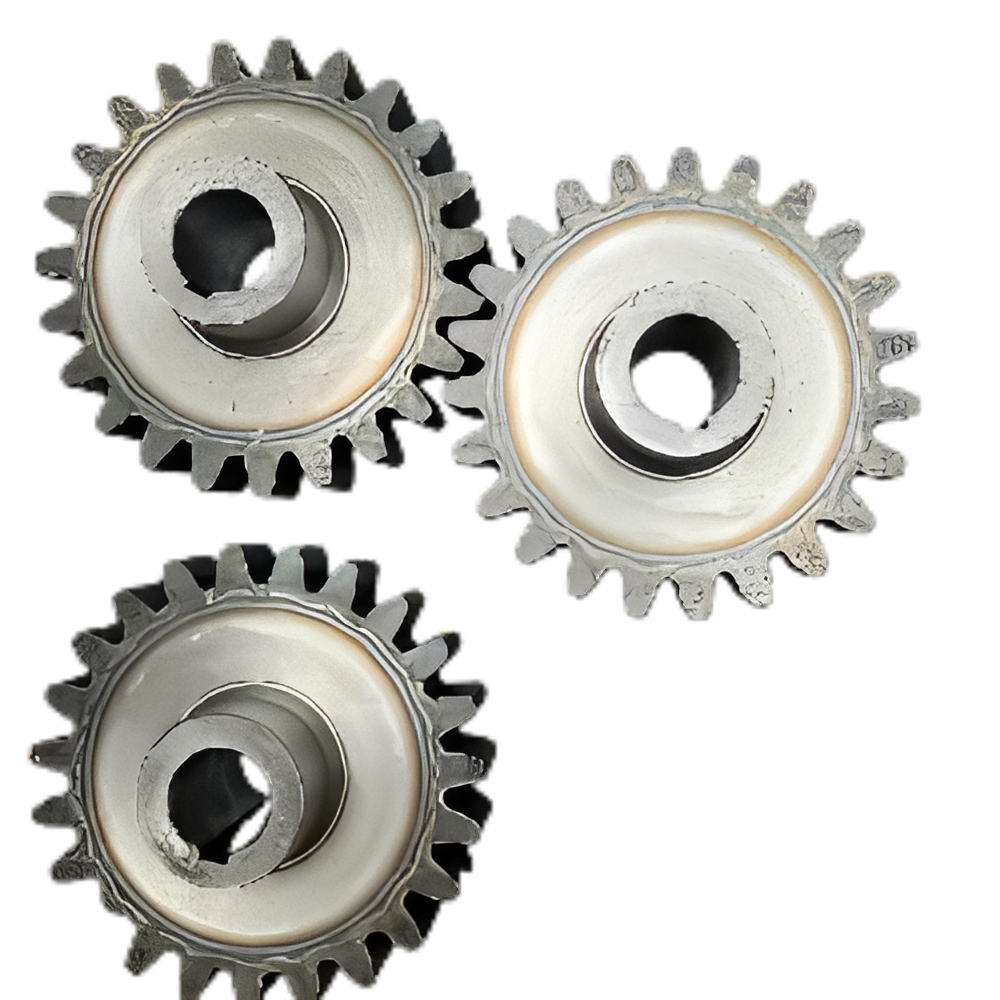
Free forging has low productivity and large machining allowance, but the tools are simple and versatile, so it is widely used for forging single pieces with simple shapes and small batch production of forgings. Free forging equipment includes air hammers, steam-air hammers and hydraulic presses, which are suitable for the production of small, medium and large forgings respectively. Die forging has high productivity, simple operation, and easy mechanization and automation. Die forgings have high dimensional accuracy, small machining allowances, and more reasonable fiber tissue distribution, which can further increase the service life of the parts.
free forgingBasic process: During free forging, the shape of the forging is gradually forged from the blank through some basic deformation processes. The basic processes of free forging include upsetting, drawing, punching, bending and cutting.
1. Upsetting Upsetting is an operation process of forging the original blank along the axial direction to reduce its height and increase its cross-section. This process is commonly used for forging gear blanks and other disc-shaped forgings. Upsetting is divided into two types: total upsetting and partial forging.
2. Drawing Drawing is a forging process that increases the length of the blank and reduces its cross-section. It is usually used to produce shaft blanks, such aslathe spindle, connecting rod, etc.
3. Punching is a forging process in which a punch is used to punch out through-holes or non-through-holes in the blank.
4. Bending is a forging process that bends the blank into a certain angle or shape.
5. Torsion is a forging process that rotates one part of the blank at a certain angle relative to another part.
6. Cutting is the forging process of dividing the blank or cutting off the head.
(2) Die forging
Die forgingThe full name is die forging. The heated blank is placed in a forging die fixed on the die forging equipment and is forged into shape.
1. Basic processes of die forging: die forging process: blanking, heating, pre-forging, final forging, skin punching, trimming, tempering, and shot blasting. Commonly used processes include upsetting, lengthening, bending, punching, and forming.
2. Commonly used die forging equipment Commonly used die forging equipment include die forging hammers,Hot forging press, flat forging machines and friction presses, etc.
In layman's terms, forged flanges have better quality and are generally produced through die forging. They have fine crystal structure and high strength, but of course they are more expensive.
Whether it isCasting flangeBoth forged flanges and forged flanges are common flange manufacturing methods. Depending on the strength requirements of the components to be used, if the requirements are not high, turning flanges can also be used.
(3) Cutting flange
Directly cut out the inner and outer diameter and thickness disks of the flange on the middle plate, and then process the bolt holes and water lines. The flange produced in this way is called a cut flange. The maximum diameter of this type of flange is limited to the width of the middle plate.
(4) Rolled flange
The process of cutting strips from a medium plate and then rolling them into circles is called rolling, and is mostly used in the production of some large flanges. After successful rolling, welding, then flattening, and then water line andboltHole processing